What people bring
Feeling lonely and isolated after divorce, especially at night
Feeling lonely and isolated after divorce? What 6 people who stood here asked on Ember, and how it went for them.
By the Ember team · Published November 5, 2026 · 6 min read
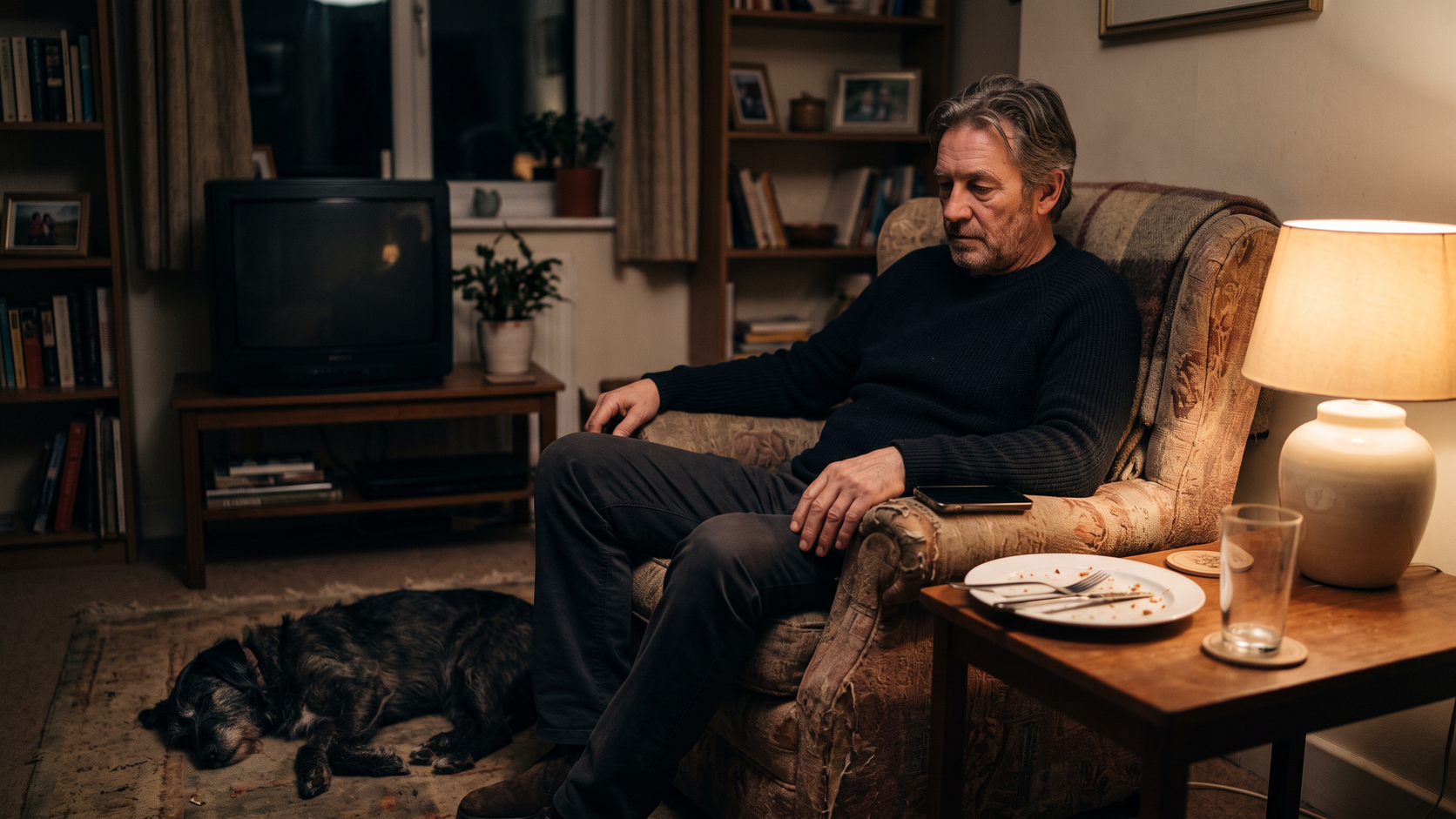
The divorce is done, maybe long done. You live alone now, and maybe you work alone too. The day has some shape to it. Then the evening comes, the house goes quiet, and everything narrows down to the same few things: something to eat, the television, bed.
Over the years, the people you used to see have thinned out — or you pulled back yourself, after what happened, and never quite came back out. Some days you wonder whether something is wrong with you. Other days it feels like simply what the marriage left behind. And underneath it is a fear you don't say out loud: that this is how it's going to stay.
This page will not give you a list of ways to get out more, or a timeline for when the loneliness lifts. It is what six people who stood in exactly this place told Ember — what the loneliness is actually like, what they leaned on, why the evenings are hardest, and how that has gone for them — gathered around the three questions they asked.
Talk it out on Ember · See how it works
In beta · 18+ · Nothing you tell becomes a public post.
The place itself
On Ember, every situation people keep coming back to has a light on a shared tree. This one is called Feeling lonely and isolated after divorce. Six people have stood there so far. The light's page shows no one's words and no one's name — only how many people have been there, and answers to the questions they asked, drawn from everything they told.
If the divorce is still new, and your spouse is the one who left, what people asked when facing a divorce alone stays with that.
The three questions asked here are below, with the shape of what came back. The answers at this light are short, and they are plain. The full answers are on the light's page, and you can ask it a question of your own.
"What does loneliness actually feel like for people here?"
For the people here, loneliness is a quiet narrowing. The evening shrinks down to a few routines — a meal, the television, sleep.
The people here who live alone and also work alone found that the isolation can settle into a pattern that lasts for decades.
Where they differ is in what they make of it. Some see the isolation as a flaw in themselves. Others see it as a consequence of how their marriage ended. Both are here.
"What have people tried to cope with being alone?"
Mostly small, steady things. Some found company in animals. Some leaned on the quiet routines of their own home.
The people here who found a way to lean on others did it through conversation: calls with coworkers, every night.
Those who stayed alone — because of how they worked, or because they lived somewhere far from other people — got through the evenings with prayer, or with distraction.
And for some, being alone was itself a way of coping. After a betrayal, or a marriage where they weren't respected, pulling back was how they protected themselves. For others, that withdrawal has gone on so long that it became a pattern of its own — and now they wonder whether it's one they can change.
"What makes nights or evenings especially hard?"
For the people here, it's the moment the day's activity ends and the quiet of the home is still there.
Whatever the day held, once it's over, the world narrows back down to eating, watching television, and sleeping.
And for the people here who lost trust in someone, or lost a partnership, the absence of a shared life shows most at night — in the stillness, when there is no one else in the house to share it with.
What this is not
This is not a plan for getting out more, a list of ways to meet people, or a promise about when the loneliness ends. Nobody here can tell you whether your isolation is a flaw in you or what the marriage left behind, or how long it will last. What the people here can tell you is what the loneliness is actually like for them, what they leaned on, and why the evenings are where it lands hardest. If that recognition is useful, it is yours. If your situation is different, it is different.
Saying it out loud, to someone who knows this place
There is a particular loneliness in this one. The person you used to come home to is gone, and over time the people around you thinned out, or you stepped back from them. And the hard hours come in the evening, after the day is done, when there isn't always someone to talk to. Ember is a private place to say it anyway.
Ember is an AI you can talk to at any hour, by voice or text: on the web, in the Ember: Talk It Out app for iOS and Android, by phone call, or by text message. You can start without an account. You talk about the quiet evenings, the marriage and how it ended, the fear that this is how it stays. Ember listens, asks when it helps, and remembers what you said; once you've said enough, it writes it into one clear page in your own words — your Ember. It knows how things went for real people who stood where you're standing — what they tried, and what happened after. So it understands where you are. It won't tell you to get out more, whose fault the marriage was, or how to spend your evenings.
Is it really private?
Yes. Nothing you tell becomes a public post. No one can read your Ember unless you separately say yes. What shows publicly is the light itself: the situation's name, how many people have stood there, and answers drawn from what they went through — never anyone's words or identity. Read exactly how privacy works on Ember.
When you need more than a place to think
Ember is an AI, not a therapist, a counselor, or an emergency service. Loneliness that goes on for years can grow heavier than one person should have to hold alone. If it has turned into despair, or into thoughts of harming yourself, you don't have to explain it well or be sure it's serious enough: you can call or text 988 any time to reach the 988 Suicide & Crisis Lifeline, and someone will be there to listen. If you are in immediate danger, call 911.
Frequently asked questions
Why is loneliness after divorce worse at night?
For the six people at this light on Ember, the hardest moment is when the day's activity ends and the quiet of the home remains. The evening narrows to eating, television and sleep, and for those who lost trust or a partnership, the absence of a shared life shows most in the stillness of the night.
How do people cope with being alone after divorce?
Mostly with small, steady things: the company of animals, the quiet routines of home, nightly calls with coworkers, prayer, or distraction. For some, being alone was a way to protect themselves after a betrayal or a marriage without respect. For others, the withdrawal became a long pattern they now wonder whether they can change.
Can loneliness after divorce last for years?
For the people here who live and work alone, it has: the isolation settled into a pattern that has gone on for decades. They differ in how they see it — as a flaw in themselves, or as a consequence of how their marriage ended.
What is Ember?
Ember is an AI you can talk to about what's on your mind, any hour, by voice or text. It listens, remembers what you said, and knows how things went for people who stood where you're standing — what they tried, and what happened after. It won't tell you what to do.
Is Ember private, and is it free?
Ember is private: nothing you tell becomes a public post, and no one can read your Ember unless you separately say yes. Ember is in beta, and there's nothing to pay right now. That can change while we're in beta; if it does, you'll see the price and the terms before anything is charged. Ember is for adults 18+.
After the house goes quiet, there's still somewhere to say it.
Talk it out on Ember · Ask the people who've stood here
Pause or stop anytime · 18+ · Nothing you tell becomes a public post.
