What people bring
Walking on eggshells: living with a spouse's verbal attacks
Bracing for your spouse's next outburst? What 11 people who stood here asked on Ember, and how it went for them.
By the Ember team · Published November 5, 2026 · 7 min read
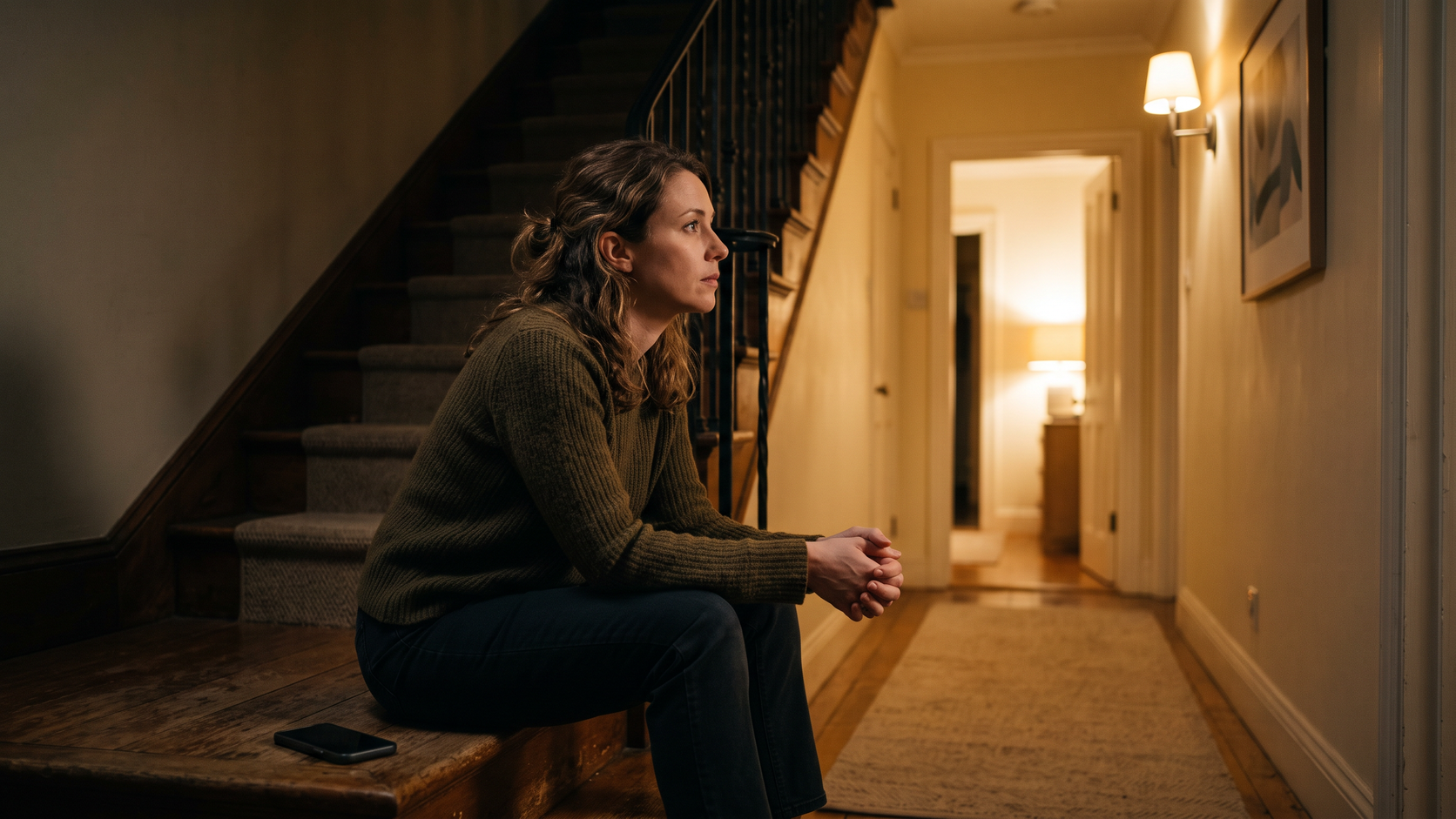
You never quite know when it's coming. An ordinary evening, and then the anger, the accusations, the hurtful words. So you learn to watch before you speak. Even ordinary things, like wanting to be acknowledged or wanting to defend yourself, start to feel like a risk, because they might set off the next one.
And you're still there. Maybe you're waiting for the person they used to be. Maybe they couldn't manage on their own without you. Maybe the thought of being alone is frightening in its own way. Some days you can't tell whether what keeps you there is love, or fear.
This page is not a list of signs, a diagnosis of your spouse, or advice about what to do. It is what eleven people who stood in exactly this place told Ember — what their hope was made of, what kept them there, what living braced for the next outburst was like, and how it went for them — gathered around the three questions they asked.
Talk it out on Ember · See how it works
Free while in beta · 18+ · Nothing you tell becomes a public post.
If you're afraid of your spouse, or not sure you're safe, the National Domestic Violence Hotline is there any time: call 1-800-799-7233 or text START to 88788. If you are in immediate danger, call 911.
The place itself
On Ember, every situation people keep coming back to has a light on a shared tree. This one is called Living with a spouse's unpredictable verbal attacks. Eleven people have stood there so far. The light's page shows no one's words and no one's name — only how many people have been there, and answers to the questions they asked, drawn from everything they told.
The people here are still in the marriage, with a spouse whose anger, accusations or hurtful words can erupt without warning. If what holds you is mostly waiting for the caring version of them to come back, what people asked while hoping an emotionally abusive partner would change stays with that.
The three questions asked here are below, with the shape of what came back. The full answers are on the light's page, and you can ask it a question of your own.
"How do people decide if hope means love or fear?"
The people here start by separating two hopes that can look the same from the outside.
One is the hope that the person they married comes back: the version of their spouse from before. The other is the hope that the person in front of them now will change. The first looks backward, the second looks forward, and the people here tell them apart.
Underneath the hope, the reasons for staying split in two as well. For some of them, staying is a way of protecting a spouse who couldn't function on their own. For others, it is a way of not having to face being alone.
The answer here doesn't sort these into love on one side and fear on the other. What it does is pull the strands apart: which version of the person the hope is for, and who the staying protects.
"What keeps people from leaving?"
For the people here, it is often waiting. Waiting for a version of their spouse that no longer exists.
Alongside the waiting runs a question they can't quite put down: whether the hope keeping them there comes from love, or from a fear of being alone. They stay while that question is still open, and it stays with them.
And for some, staying is also about the other person: a spouse who couldn't manage without them.
"How do people learn to brace for the next outburst?"
Everyone at this light lives with the same weighing. Wanting to be acknowledged, or wanting to defend themselves, sits on one side; the chance of provoking another outburst sits on the other. The bracing grows out of that, and it means different things to different people here.
For some, it is protection against the unpredictability itself. If the anger can come at any time, they stay ready for it.
For others, it is about themselves: making sure they aren't the one who sets it off. Not being the cause of the very hardship they are afraid of creating.
For the people still caught in the pattern, even the calm moments are spent guarding themselves.
What this is not
This is not a list of signs, a verdict on your spouse or your marriage, or advice about staying, leaving or speaking up. Nobody here can tell you when the next outburst will come, or what your hope is made of. What the people who stood here can tell you is how they pulled their hopes apart, what kept them there, and what living braced for the next outburst was like for them. If that recognition is useful, it is yours. If your situation is different, it is different.
Saying it out loud, to someone who knows this place
There is a particular loneliness in this one. When so much of the day goes into watching for the next outburst, there is little room left to say what it is like to live that way. And the moments when you could say it tend to come late, or in between, when there isn't always someone to talk to. Ember is a private place to say it anyway.
Ember is an AI you can talk to at any hour, by voice or text: on the web, in the Ember: Talk It Out app for iOS and Android, by phone call, or by text message. You can start without an account. You talk about the last outburst, the version of them you're still waiting for, the question of love or fear. Ember listens, asks when it helps, and remembers what you said; once you've said enough, it writes it into one clear page in your own words — your Ember. It knows how things went for real people who stood where you're standing — what they tried, and what happened after. So it understands where you are. It won't tell you whether to stay or go, or what to make of the person you married.
Is it really private?
Yes. Nothing you tell becomes a public post. No one can read your Ember unless you separately say yes. What shows publicly is the light itself: the situation's name, how many people have stood there, and answers drawn from what they went through — never anyone's words or identity. Read exactly how privacy works on Ember.
When you need more than a place to think
Ember is an AI, not a counselor, a therapist, or an emergency service. If you're afraid of your spouse, or of what they might do, you don't have to be sure it's serious enough to call: the National Domestic Violence Hotline is there any time at 1-800-799-7233, or text START to 88788. If living this way has worn you down into despair, or toward thoughts of harming yourself, you can call or text 988 to reach the 988 Suicide & Crisis Lifeline. If you are in immediate danger, call 911.
Frequently asked questions
Is it love or fear that keeps me with a spouse who lashes out?
The eleven people at this light on Ember don't sort it into one or the other. They separate two hopes, that the person from before comes back or that the person now will change, and two reasons for staying: protecting a spouse who couldn't function alone, or not having to be alone.
Why do people stay with a spouse whose anger is unpredictable?
Mostly waiting, for a version of their spouse that no longer exists, while wondering whether the hope is love or a fear of being alone. For some, staying is also a way of protecting a spouse who couldn't manage on their own.
What is it like to walk on eggshells in a marriage?
For the people here, the bracing is either protection against not knowing when it will come, or a way of making sure they aren't the cause of it. For those still caught in the pattern, even calm moments are spent on guard.
What is Ember?
Ember is an AI you can talk to about what's on your mind, any hour, by voice or text. It listens, remembers what you said, and knows how things went for people who stood where you're standing — what they tried, and what happened after. It won't tell you what to do.
Is Ember private, and is it free?
Ember is private: nothing you tell becomes a public post, and no one can read your Ember unless you separately say yes. Ember is free while in beta, for adults 18+.
What it's like to live braced for the next one doesn't have to stay unsaid.
Talk it out on Ember · Ask the people who've stood here
Pause or stop anytime · 18+ · Nothing you tell becomes a public post.
