Ways to be heard
Caregiver burnout: what research says, and what helps
How common caregiver strain is, whether caregiving really shortens life, what respite and support programs found, and what research can't say.
By the Ember team · Published November 22, 2026 · 6 min read
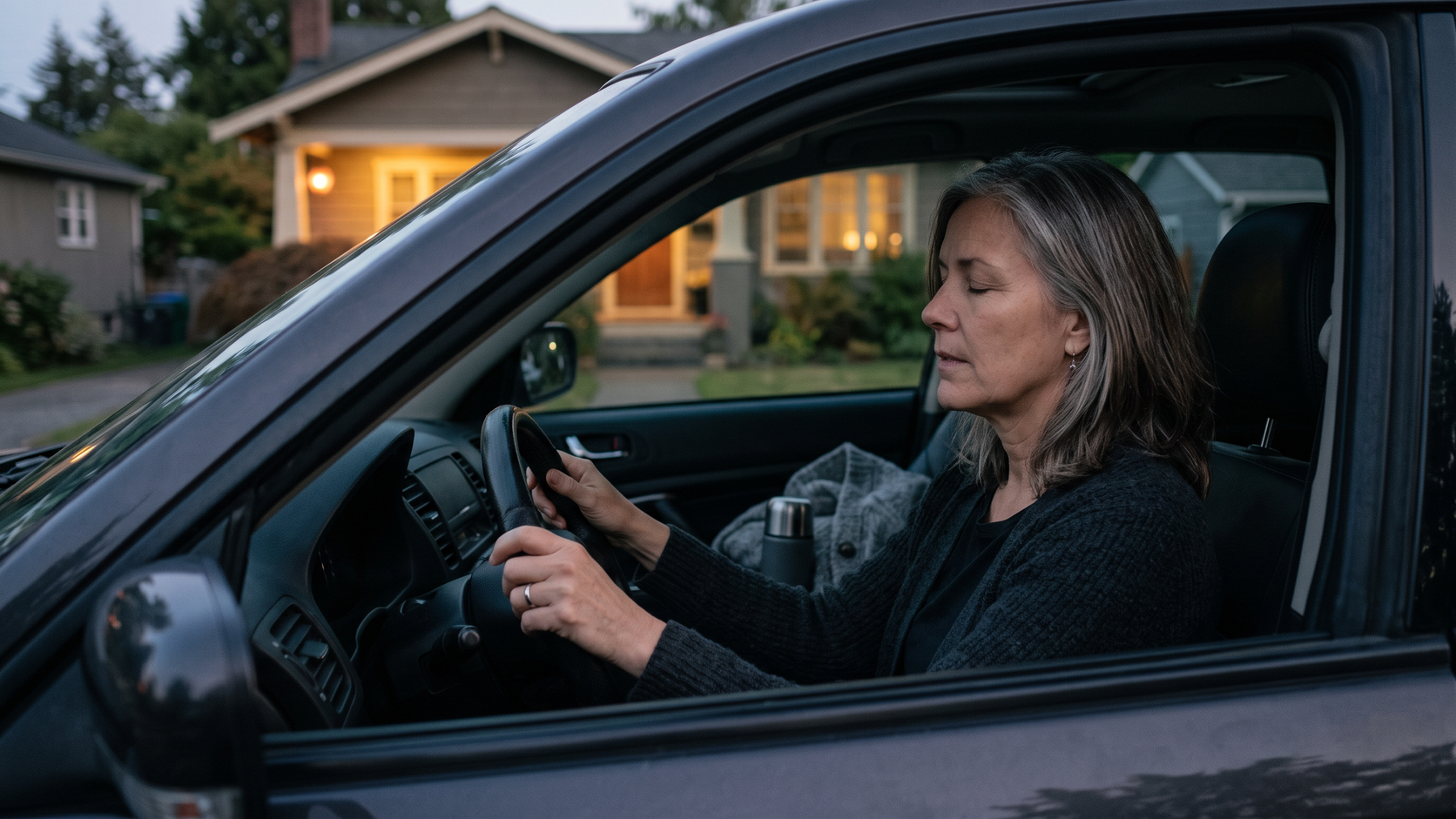
You've looked after your mother for three years. You love her. Lately you sit in the car a while before going in. You snap at her over nothing, feel numb, resent her, then feel awful for it. Is this caregiver burnout? Is it harming you?
In a 2025 national survey of more than 6,500 Americans caring for an adult, nearly two-thirds reported moderate or high emotional stress, and nearly one in four felt alone.
The short answer is that caregiver burnout isn't a diagnosis, just a name for being worn down by care. Caregivers report more stress and depression than non-caregivers, especially in dementia care. The claim that it shortens life rests mainly on one 1999 study of strained spouses; larger studies since found caregivers as a group less likely to die. Where a health risk shows up, it goes with strain, not the caring itself. Evidence on breaks is thin.
What the research says so far
"Burnout" is a work word: WHO classes burn-out as an "occupational phenomenon," not a medical condition, and not for "other areas of life."
AARP and the National Alliance for Caregiving, 2025. The latest Caregiving in the US report estimates that 63 million US adults, about one in four, gave ongoing care in the past year to an adult or child with a medical condition or disability. Of 6,858 caregivers surveyed online, the 56% who felt they had no choice in taking it on reported nearly twice as many poor mental health days a month (8 vs. 4.5). What it doesn't show: cause. Only caregivers were asked, once.
Friedrich Schiller University Jena, 2003. Martin Pinquart and Silvia Sörensen combined 84 articles comparing caregivers of frail older adults with non-caregivers. The largest gaps were in depression and stress; physical health differed only slightly. Gaps were larger for dementia caregivers. What it doesn't show: why. Results varied with study quality, relationship, gender and age.
University of Pittsburgh, 1999. Richard Schulz and Scott Beach followed 819 people aged 66 to 96 living with a spouse, for about 4.5 years. Those helping a disabled spouse and feeling mental or emotional strain had a 63% higher risk of dying than non-caregivers; those helping without strain didn't. What it doesn't show: that caregiving itself shortens life. 44% of helping spouses felt no strain. Counting all helpers together, later researchers calculated, the difference wasn't significant.
Johns Hopkins, Boston and South Florida universities, 2015. David Roth, Lisa Fredman and William Haley reappraised the evidence. Five later population-based studies, in the US and the UK, all found caregivers as a group less likely to die than non-caregivers over four to eight years. In the two that measured strain, even highly strained caregivers didn't die at higher rates. Caregiving websites have claimed it can "take as much as 10 years off a family caregiver's life"; there is "not an established finding" that caregiving raises the risk of death, they conclude. In studies they cite, poorer health went with "stress, but not caregiving status." What it doesn't show: that caring is good for you; healthier people may be the ones who take it on. Two of its authors led studies it reviews.
Two respite reviews, 2014 and 2016. Respite means someone else takes over the care for a while. A Cochrane review found four trials of respite in dementia care, with 753 participants. The evidence was "very low" quality and showed no significant effect on caregivers, which may reflect "the lack of high quality research," the authors caution. A Ghent University review of 17 papers found day care lowered caregiver burden but brought nursing home moves sooner. What they don't show: much about in-home respite, or care outside dementia.
REACH II, five US cities, 2006. Steven Belle and colleagues randomly assigned 642 dementia caregivers to two check-in calls or to 12 home and phone sessions over six months, on their own depression, burden, self-care and support, and the relative's difficult behaviors. Quality of life improved more with the sessions for Hispanic or Latino and white caregivers and Black spouse caregivers, and fewer had clinical depression (12.6% vs. 22.7%). What it doesn't show: lasting change; follow-up ended at six months.
What the research doesn't say
There's no checklist that says you're burned out. The research doesn't say caring will shorten your life. It doesn't say resentment means you love them less: no study here measured love, and half the AARP caregivers found purpose alongside the stress. And much of it is on dementia care and older spouses, often in volunteer samples.
No time off at all: a sick parent and no break. Guilt when you do take time: caregiver guilt. A parent who also treats you badly: setting limits. Raising kids too: the sandwich generation. Grieving who they used to be: anticipatory grief and ambiguous loss.
What has helped some caregivers keep going
- Saying the resentful part out loud, too. Many caregivers feel strain and good things at once, Roth and colleagues note. Said aloud, resentment can be heard as a feeling about the load, not a verdict on the love.
- A real break, even a short one. In the AARP survey, 39% said respite would help; 13% had ever used it. When this was written, 8 people on Ember had described caring for a seriously ill parent without respite; those who found footing often stepped away briefly to sleep, or limited visits.
- Asking for one named thing. "Let me know if you need anything" leaves the asking to you. Tuesday's appointment, or one night a week, is easier to say yes to.
- Hearing from people further along. Someone a year ahead can say what got lighter. Where to find them.
How we built Ember around this
Ember is an AI. It can't take a shift for you, or say how much more you can give.
You can say what's going on, by text or voice, any hour. Ember listens and tries to understand what you mean. It won't tell you what to do, or whether you're doing enough. Behind the conversation is what real people in similar situations went through, what they tried, and what happened next, so Ember can tell you how it went for people who've been there.
Nothing you tell becomes a public post. No one can read your Ember unless you separately say yes. Ember is an AI; it isn't therapy or an emergency service.
When you need more than a place to think
An AI is not a counselor, a therapist, a doctor, or an emergency service. For help with the care, the Eldercare Locator connects you to services for older adults and their families: call or text 1-800-677-1116. If exhaustion has turned into despair or thoughts of harming yourself, you don't have to be sure it's serious enough: you can call or text 988 any time to reach the 988 Suicide & Crisis Lifeline. If you are in immediate danger, or the person you care for is, call 911. Where to talk about caring for a parent lists more options.
Frequently asked questions
What are the symptoms of caregiver burnout?
There's no official list; it isn't a diagnosis. Surveys ask caregivers about emotional stress, physical strain, feeling alone, and trouble caring for their own health.
Does caregiving shorten your life?
Not as a rule. The often-quoted 63% came from one 1999 study of strained spouses. Five larger studies since found caregivers as a group less likely to die.
What is Ember?
Ember is an AI you can talk to about what's on your mind, any hour, by voice or text. It listens, remembers what you said, and knows how things went for people who stood where you're standing — what they tried, and what happened after. It won't tell you what to do.
Is Ember private, and does it cost anything?
Ember is private: nothing you tell becomes a public post, and no one can read your Ember unless you separately say yes. Ember is free while it’s in beta. Texting Ember is free, and calls come with 20 free minutes a month; in the US you can buy more, from $4.99 for 35 minutes, and they don’t expire. Ember is for adults 18+.
Running on empty says how much you've carried, not how little you care.
Talk it out on Ember
Pause or stop anytime · 18+ · Nothing you tell becomes a public post.
