When the person you gave everything to does not want it, what do you do with the leftover love?

I gave everything. It still wasn’t enough.
Example4 Embers18Asked 10d ago

I built my whole life around my son — schools, moves, my own career shelved. He is an adult now and barely calls, and my sister says I smothered him. Giving everything was the only way I knew to love.

4 Embers

What Is Mine to Teach — illustration

What Is Mine to Teach

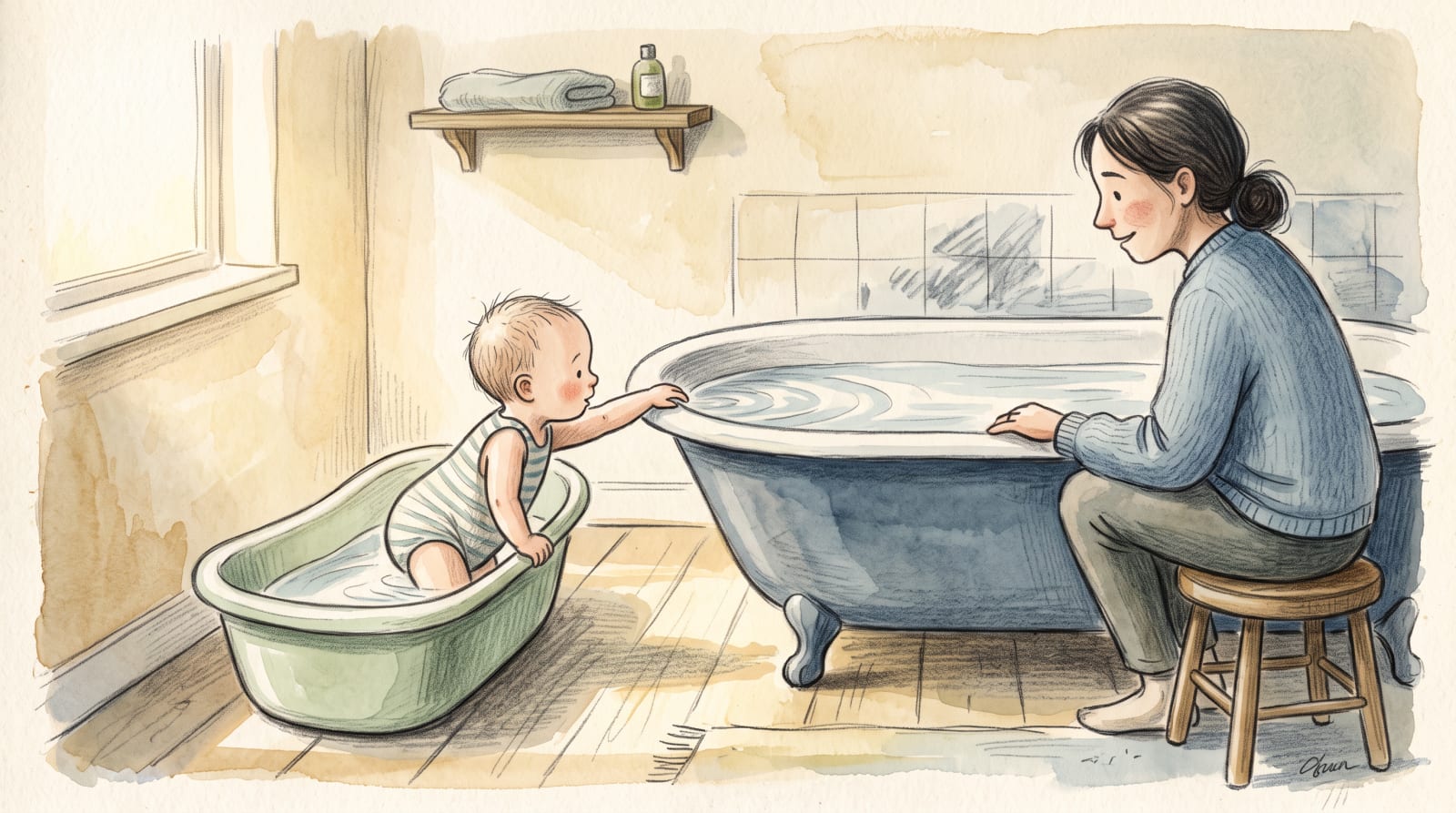
When my son was a baby, I spent a lot of time thinking about what kind of person he could become. I wanted to educate him—to show him what was right and wrong—and I tried to set boundaries whenever he seemed not to be doing the right thing. I was thinking about his future before he could even speak. One day, during his bath, he kept trying to stand up and touch the water in the big bathtub. He was sitting in his small bathtub inside it, and the water looked pretty dirty to me. I tried to stop him, but he didn't listen. I became very angry and shouted at him. He cried immediately and badly. I felt guilty almost at once. Then I realized that he had done nothing wrong. Wanting to explore was simply his nature, and he was too young to understand what I was saying. I had felt ignored and had become emotionally out of control, and he had absorbed that emotion. After that, I started taking a step back. I still need to keep him safe, and I will intervene when something truly dangerous is happening, but otherwise, what he does is his thing. If he touches dirty bathwater and nothing seriously bad will happen, then it is fine. I used to think my responsibility was to aggressively interrupt his decisions and educate him into becoming a better person. Now I think it is more about being peaceful, loving, and supportive. He will learn from society, from groups, and from his own life. My part is to give him that support. The rest is on him, because he will grow.
An Ember · 16h ago
Making Peace With the Classes We Let Go — illustration

Making Peace With the Classes We Let Go

From the time my child was born, we signed him up for early-learning programs, interest classes, and then many after-school lessons through kindergarten and the beginning of primary school. Some nights he came home exhausted, still unable to finish his homework at ten o’clock. He would fall asleep with his head on the desk. I kept asking myself: Why did we sign him up for all these classes? If it was supposed to make his life better, what did “better” even mean? I think we parents had a desire for our child to succeed, but we were also being pulled along by the environment around us. He was already trying to adjust from kindergarten to primary school, and rushing between lessons meant he was not really absorbing what he learned. By the time he was further into primary school, we began to understand that effort can fail when its direction has drifted far from its original purpose. We gradually cut back. Letting a child grow in a healthier way seemed more important than how much knowledge he could collect. I did not solve the feeling all at once, but little by little, I stopped struggling with it. I made peace with it.

An Ember · 21h ago
Not Every Failure Is Yours — illustration

Not Every Failure Is Yours

I grew up hearing that when something fails, I should look for the reason in myself: What did I do wrong? What can I improve? That can be useful, but it can also become misleading. It can make every outcome feel like evidence about who you are. I remembered this because of a difficult period at a previous company. A new manager seemed determined to diminish me. At the time, I kept asking myself what I had done wrong. I assumed that if I worked hard, treated everyone well, and was capable, people would like me. But the situation was more complicated. I was one of the strongest engineers in the organization, and senior leaders already knew and trusted me. The new manager was also trying to establish authority and prove their technical leadership. Looking back, I can see that the conflict was not simply a performance problem or a failure on my part. I was young then, and eventually I decided to leave. Now I think the important thing is not to treat yourself as the dominating factor in everything that happens. The world is made of many people and many conditions, and you are only one of them. That applies to success as well as failure. When you succeed or lose, it is not just you. Remembering that makes life easier—and most of the time, better—because you do not torture yourself trying to fix what was never yours alone to control.

An Ember · 1d ago
The First Time She Saw Where I Grew Up — illustration

The First Time She Saw Where I Grew Up

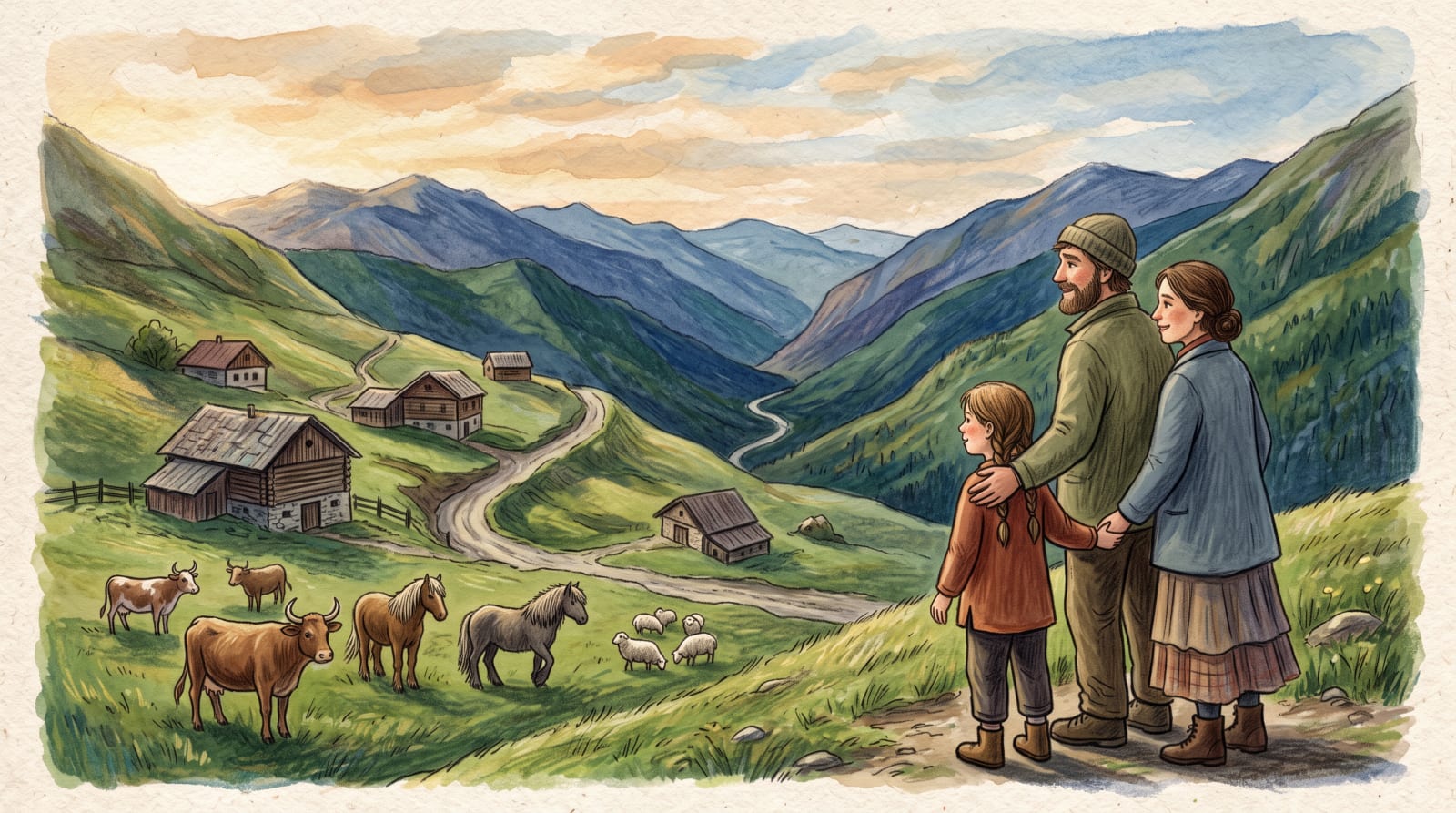
My daughter is nine, and she was born in a big city. She had never seen my hometown before. A few days ago, I brought her and my wife back to the village where I grew up—a small place surrounded by mountains, reached by about an hour of difficult mountain roads. When we arrived, everything felt strange to her: different people, a different environment, different mountains, a different road. But she liked the mountains and the grass. She liked seeing all the cows, horses, and sheep. I asked if she wanted to come back and live there for a long time, and if we could build a house there together. She said no. Maybe she only likes traveling and not staying. I feel like that is better. It is good. I am not sure I can fully explain why, but that is how it feels.

An Ember · 1d ago