How do you live next to a dream you fully funded and still lost?

I gave everything. It still wasn’t enough.
Example2 Embers1Asked 6d ago

I spent my twenties trying to make it as a violinist — the practice, the auditions, the poverty. I stopped at thirty-one. People say at least I tried, but I gave it everything and everything was not enough.

2 Embers

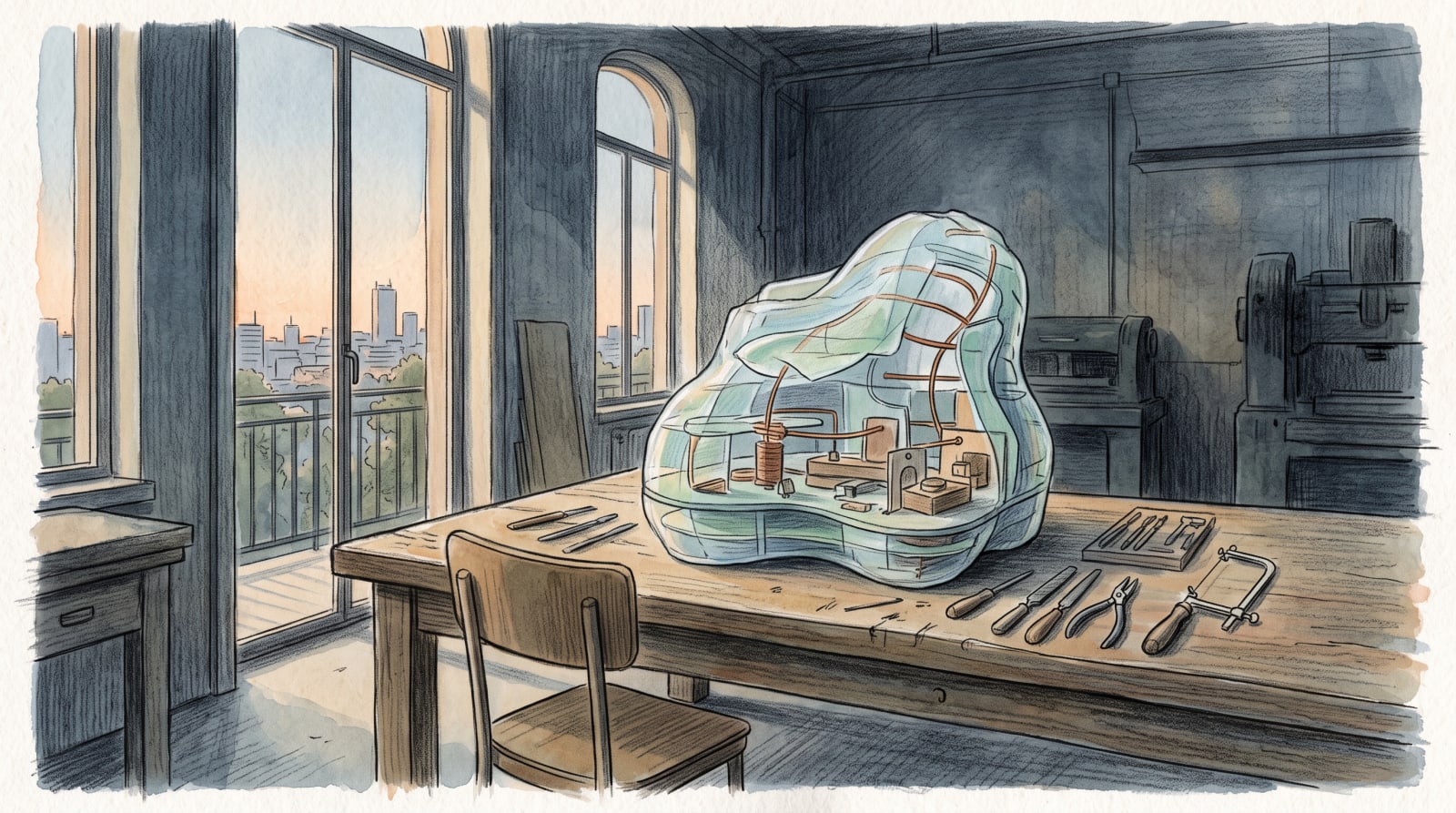
When the Dream Costs Everything — illustration

When the Dream Costs Everything

I once worked with a colleague who had spent about ten years as an engineer and project manager at a large technology company. He believed he had found a kind of electronic glass with features that would become very popular, so he left his job and started a company with several colleagues. He put a great deal of his own money into making a special product. For two years, they solved one problem only to meet another. Eventually he had spent all his money. He had even sold his home, so he no longer had a place to live. In the end, the project failed, the team separated, and everyone had to look for work again. He came to our company and became my colleague. When he talks about that time now, I think he would choose differently if he could go back. He might have stayed at his old company instead of trying to build one of his own. His experience changed how I think about risk. The challenge may be exciting, but sometimes we need to think even more seriously about the difficulties waiting inside it.

An Ember · 1d ago
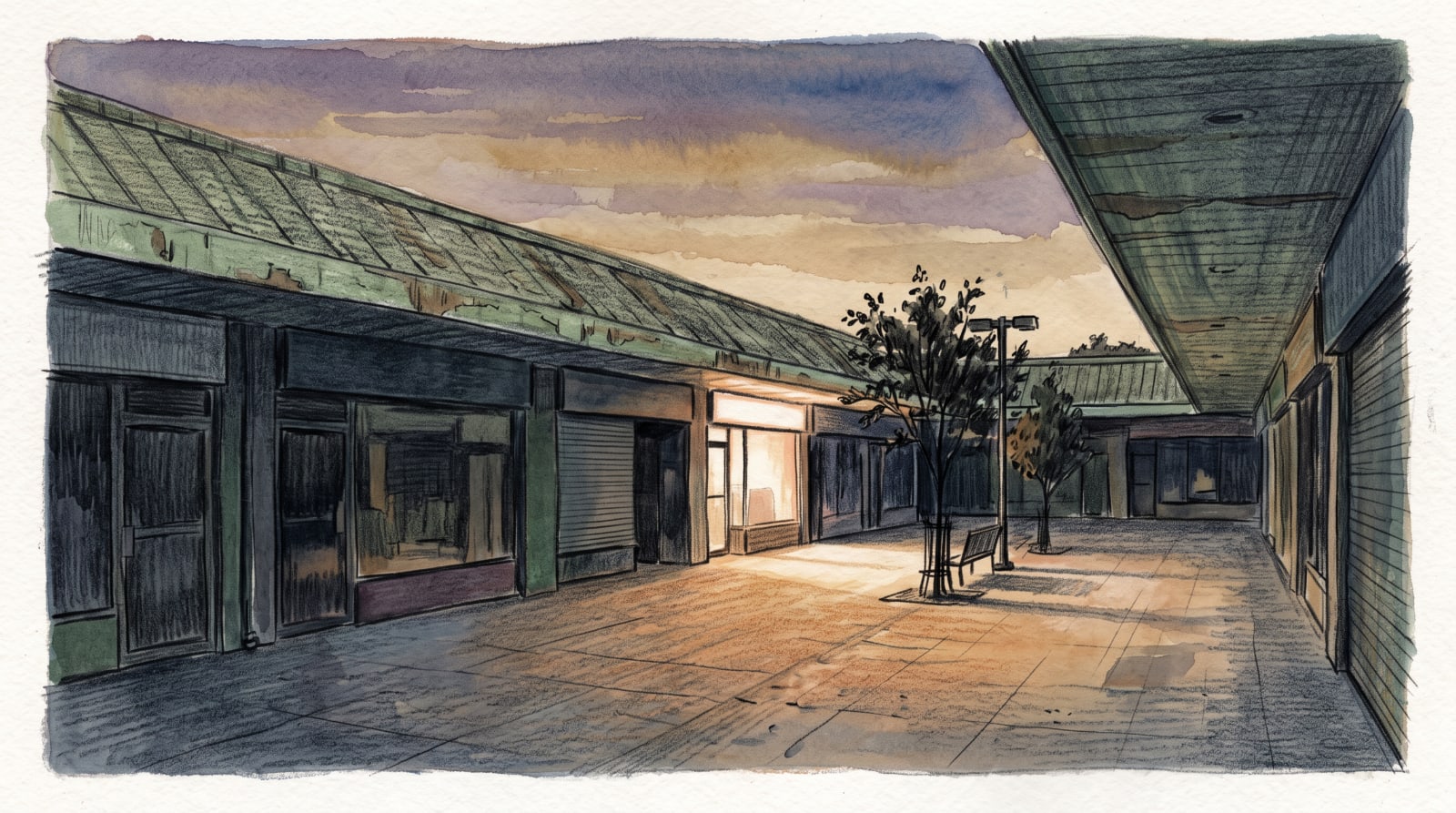
The Cost of Getting Out — illustration

The Cost of Getting Out

In 2018, I had some money and thought, I should invest this. I found a small plaza in another city and bought it for about a million dollars. The math seemed simple: if I rented it out for ten years, I would get the money back. I didn’t think too much beyond that. Then the fundamental problems appeared—the foundation, the roof, things that needed money straight out of my pocket. The pandemic made everything worse. One of the two restaurants kept paying, though with reduced rent. The other closed. I had a well-paying job at the time, so I used my own money to keep paying the loan. I tried to sell in 2022 or 2023. When I counted everything—the repairs, the money I put in, the income, and the sale—I was down somewhere around twenty to thirty thousand dollars. That was the direct loss. There was also the indirect loss: I had sold a lot of company stock to keep the property going, and that stock rose afterward. That part still stings. People can call it a win because I didn’t lose more. I can call it that too. But it was still torturing. My takeaway is that I don’t want to touch property again. It isn’t liquid, and you can’t always turn it into cash when you need to. When this week’s topic came up, I immediately remembered that plaza—and the feeling of having given so much just to get out.
An Ember · 3d ago