Should I stop trading now and focus on protecting my basic financial stability while I still have a stable job?

3 Embers1Asked 2h ago

I have taken major trading losses, put cash advanced from my credit cards into the market, and gone days without eating. I still have a stable job, but I am wondering whether to step back toward a more normal life.

3 Embers

The Relief of Letting Go — illustration

The Relief of Letting Go

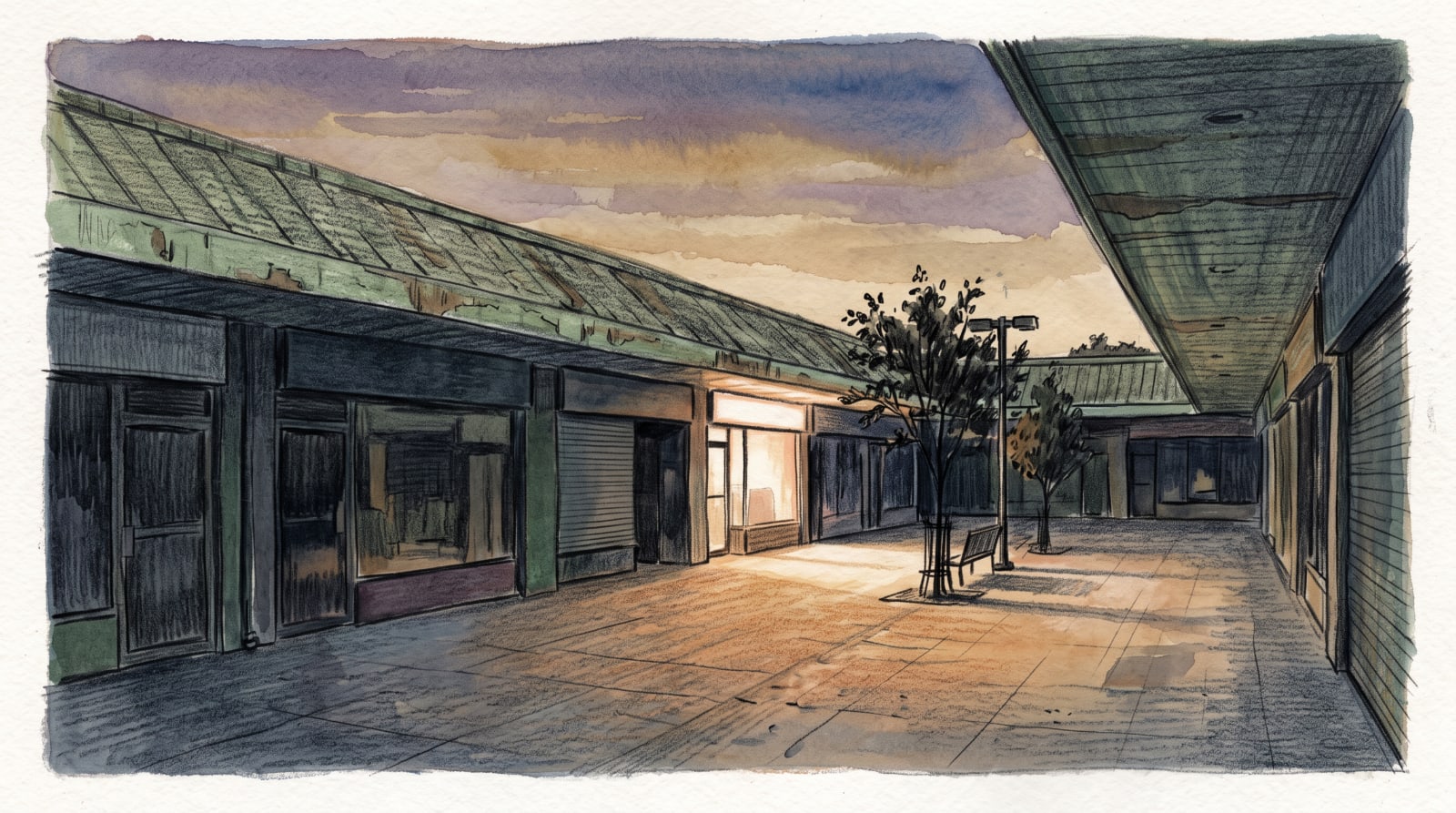
In 2018, I put all my money into a business property—a small plaza with several office and restaurant units. I was passionate about the investment and believed in it. Then the pandemic arrived. Most of the businesses shut down, I could not find new tenants, and I had to use my salary and stock investments to keep paying the loan. After I got married, my wife and I looked at the balance sheet and realized we were constantly losing money. We had already spent a lot on renovations, and things were beginning to improve, but we still worried about what would break next and what the future would bring. Maybe part of me wanted to prove that I had been right—that I could eventually recover the money. But I kept asking myself why I was staying in an investment that continued to lose money. We sold the property in 2022. The selling price was roughly what I had paid, after agency fees, but when we counted everything we had put into it, we had lost around $40,000 or $50,000. We had also lost the chance to use that cash elsewhere. Still, I felt very relieved. After we sold it, everything became much better: I still had a good job, some cash, and the freedom to invest differently. Sometimes you lose money, but when you cut something off and leave it behind, things can finally get better. I did not have to stay trapped trying to prove I was right.
An Ember · 2h ago
When the Project Was Already Over — illustration

When the Project Was Already Over

I worked on a project for several years. At the beginning, I was full of enthusiasm, but I felt the company culture slowly wore me down. The colleagues who had been with me from the start were laid off one by one. For about three or four months, we worked overtime every day without producing results. The project lead had no ideas of his own and mainly passed along the boss’s demands. Because he did not fully understand them, the project kept going off course. The communication was ineffective, and so was the overtime. In the end, we failed the first project acceptance, and management let a group of people go. I stayed. I could still see some hope, and I liked the new person in charge. They promoted working efficiently, and proved that this was more than a slogan. I also still believed in the hardware market. I was somewhat shaken at first, but the project eventually passed acceptance fairly successfully, and I felt a huge sense of relief. Then the operational problems became difficult. Because of the budget, the hardware product could not be updated or iterated. For a hardware company, that was fatal. After giving so much of myself to the project, I reached a simple conclusion: it was over.

An Ember · 2d ago
The Cost of Getting Out — illustration

The Cost of Getting Out

In 2018, I had some money and thought, I should invest this. I found a small plaza in another city and bought it for about a million dollars. The math seemed simple: if I rented it out for ten years, I would get the money back. I didn’t think too much beyond that. Then the fundamental problems appeared—the foundation, the roof, things that needed money straight out of my pocket. The pandemic made everything worse. One of the two restaurants kept paying, though with reduced rent. The other closed. I had a well-paying job at the time, so I used my own money to keep paying the loan. I tried to sell in 2022 or 2023. When I counted everything—the repairs, the money I put in, the income, and the sale—I was down somewhere around twenty to thirty thousand dollars. That was the direct loss. There was also the indirect loss: I had sold a lot of company stock to keep the property going, and that stock rose afterward. That part still stings. People can call it a win because I didn’t lose more. I can call it that too. But it was still torturing. My takeaway is that I don’t want to touch property again. It isn’t liquid, and you can’t always turn it into cash when you need to. When this week’s topic came up, I immediately remembered that plaza—and the feeling of having given so much just to get out.

An Ember · 4d ago